
Nintendo Wii
Also known as Revolution
- Manufacturer
- Nintendo
- Type
- Home console
- Generation
- 7th generation
- Released (North America)
- Nov 19, 2006
- Released (Japan)
- Dec 2, 2006
- Released (Europe)
- Dec 8, 2006
- Launch price
- $249.99
- Discontinued
- 2013
- Units sold
- 101.63 million
About the Nintendo Wii
The Wii launched in 2006 with motion controls and Wii Sports in the box, and it sold to people who had never owned a console before. It outsold the Xbox 360 and PlayStation 3 by a wide margin, and early models play GameCube discs and accept GameCube controllers and memory cards.
With over 100 million units sold, Wii Sports, Mario Kart Wii and New Super Mario Bros. Wii are everywhere and inexpensive. The prices that do climb are on later or niche releases: Xenoblade Chronicles, The Last Story, Pandora's Tower, Fatal Frame and Metroid Prime Trilogy are well-known examples, along with sealed copies of almost anything popular.
When buying a console, check whether it is an early backward-compatible model or a later RVL-101 without GameCube ports, and whether the sensor bar and a working Wii Remote are included.
Nintendo Wii games by the numbers
Loose prices across 1,395 priced games
Most valuable Nintendo Wii games
![Zelda Twilight Princess [Not for Resale] cover art](https://images.igdb.com/igdb/image/upload/t_cover_big/co3w1h.jpg)

![Guitar Hero: Warriors of Rock [Super Bundle] cover art](https://images.igdb.com/igdb/image/upload/t_cover_big/co1qhs.jpg)
![Guitar Hero World Tour [Dual Guitar] cover art](https://images.igdb.com/igdb/image/upload/t_cover_big/co53lb.jpg)
![Metroid Prime Trilogy [Collector's Edition] cover art](https://images.igdb.com/igdb/image/upload/t_cover_big/co404b.jpg)
![Zelda Skyward Sword [Not for Resale] cover art](https://images.igdb.com/igdb/image/upload/t_cover_big/co5wrj.jpg)
![Gunslingers [Revolver Bundle] cover art](https://images.igdb.com/igdb/image/upload/t_cover_big/co7l8s.jpg)
Most valuable sealed Nintendo Wii games
![Madden 2009 All-Play [Breast Cancer Slipcover] cover art](https://images.igdb.com/igdb/image/upload/t_cover_big/co5y0i.jpg)
Top rated Nintendo Wii games
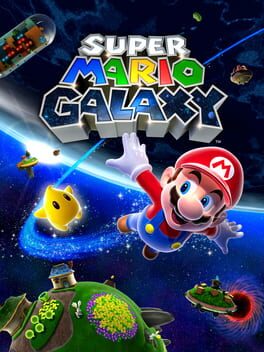
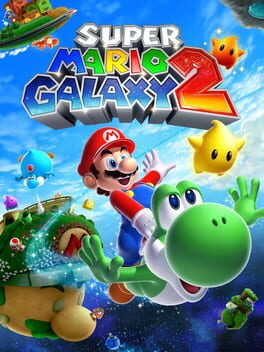
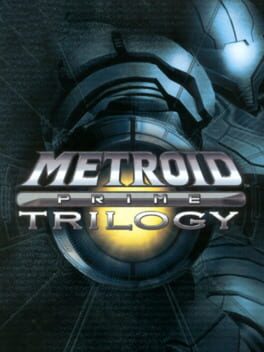
![Super Paper Mario [Nintendo Selects] cover art](https://images.igdb.com/igdb/image/upload/t_cover_big/co1qda.jpg)
Most listed on eBay right now

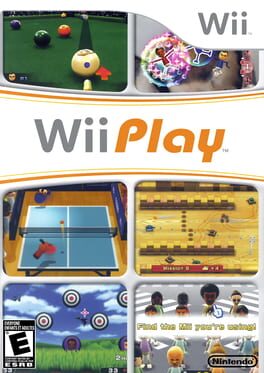
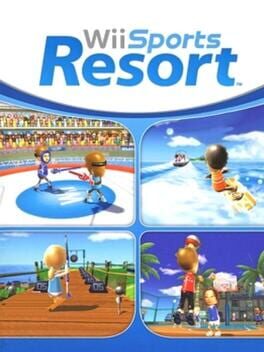
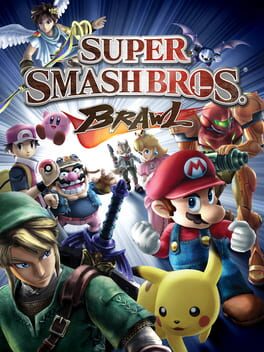
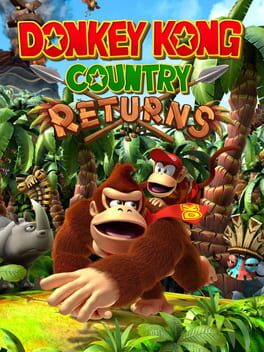
Nintendo Wii games by release year
By each game's original release year, so ports count under the year the game first came out.
Hardware specs
| CPU | IBM PowerPC ''Broadway'' @ 729 MHz |
|---|---|
| Graphics | ATI ''Hollywood'' @ 243 MHz |
| Memory | 80 MB |
| Sound | Stereo, Dolby Surround |
| Media | Nintendo Wii optical disc, Nintendo GameCube game disc |
| Storage | 512 MB NAND Flash memory, SD/SDHC card (up to 32 GB), GameCube memory card |
| Resolutions | 480p, 480i, 576i |
| Video output | composite, S-Video, YPbPr component |
| Connectivity | Wi-Fi 802,11 b/g, Bluetooth, USB LAN Adapter |
| Online | WiiConnect24, Wii Shop Channel |
Models & revisions
Wii mini
A smaller version of the Wii with a top-loading disc drive. This version lacks online connectivity, as well as GameCube compatibility and an SD card slot.
- CPU
- IBM PowerPC ''Broadway'' @ 729 MHz
- Graphics
- ATI ''Hollywood'' @ 243 MHz
- Memory
- 80 MB
- Sound
- Stereo, Dolby Surround
- Media
- Nintendo Wii optical disc
- Storage
- 512 MB NAND Flash memory
- Resolutions
- 480p, 480i, 576i
- Video output
- composite
Starlight Wii Gaming Station
A special version of the Wii which runs games from a hard drive instead of discs, used in hospitals for the entertainment of children. It was previously called Starlight Wii Fun Center.
Wii Family Edition
Console family
More Nintendo consoles









Game values from PriceCharting market data. Hardware specs and revisions from IGDB.