
Nintendo Game Boy
Also known as GB
- Manufacturer
- Nintendo
- Type
- Handheld
- Generation
- 4th generation
- Released (North America)
- Jul 31, 1989
- Released (Japan)
- Apr 21, 1989
- Released (Europe)
- Sep 28, 1990
- Launch price
- $89.99
- Discontinued
- 2003
- Units sold
- 118.69 million (with Game Boy Color)
About the Nintendo Game Boy
The Game Boy was designed by Gunpei Yokoi's team around a simple idea: cheap, durable hardware with long battery life. It came out in 1989 with Tetris packed in, ran for well over ten hours on four AAs, and outlasted every handheld that tried to beat it on screen quality.
Super Mario Land, The Legend of Zelda: Link's Awakening, Metroid II, Kirby's Dream Land and especially Pokémon Red and Blue kept the system selling for a decade. Loose carts are inexpensive and easy to find, but complete games with their small cardboard boxes are much less common.
Pokémon games are the most faked cartridges in retro gaming. Check the label, the stamped code on the front, and the board before paying full price. On hardware, the original DMG gray brick is the one most collectors want, and screens with dead lines are a common, sometimes fixable, fault.
Nintendo Game Boy games by the numbers
Loose prices across 557 priced games
Most valuable Nintendo Game Boy games
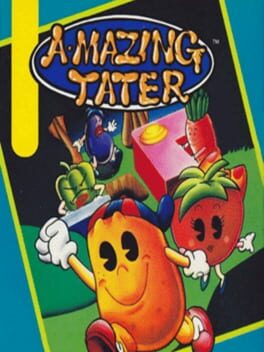
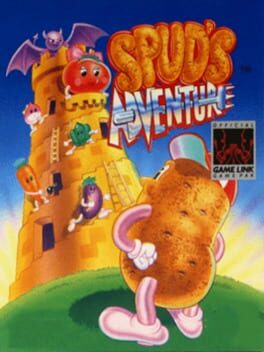

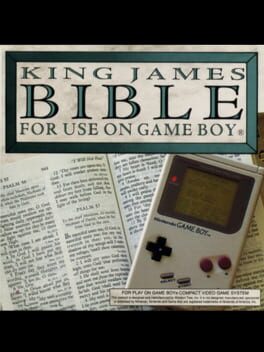
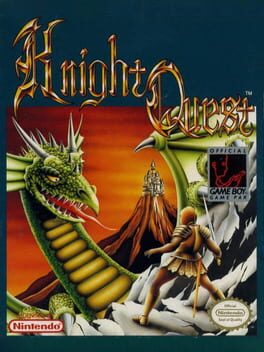
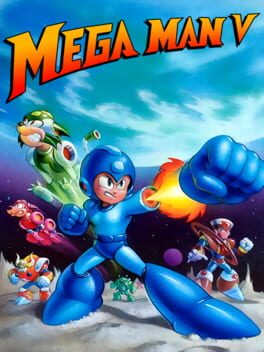
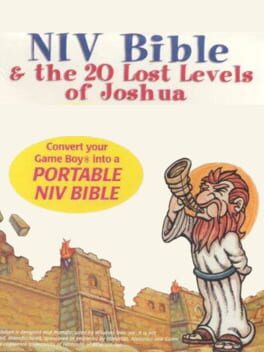
![Kirby's Dream Land 2 [Not for Resale] cover art](https://images.igdb.com/igdb/image/upload/t_cover_big/co7crs.jpg)
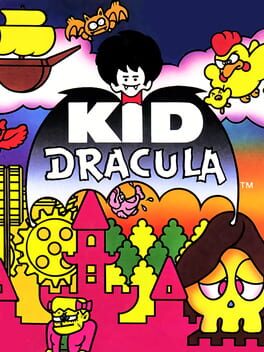

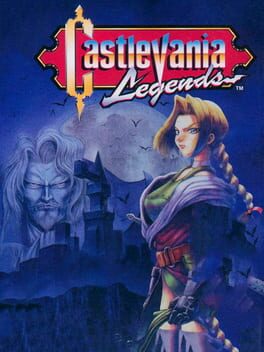
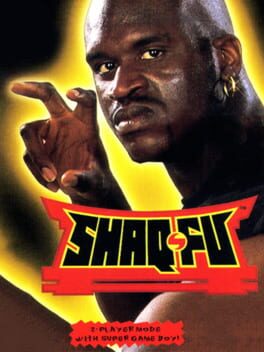
Most valuable sealed Nintendo Game Boy games

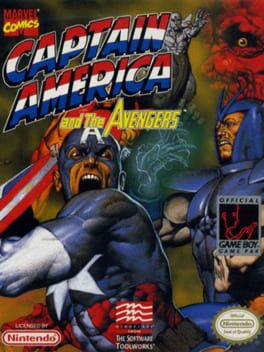
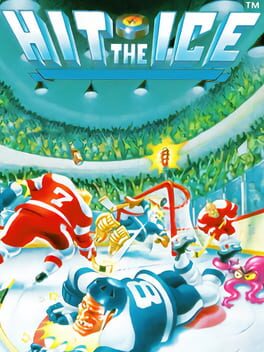
Top rated Nintendo Game Boy games
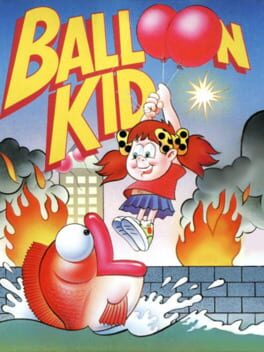
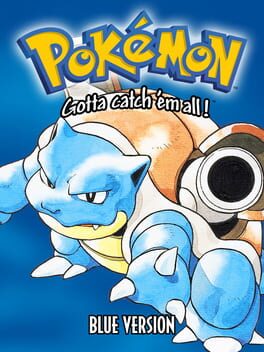
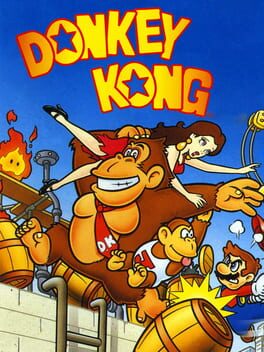
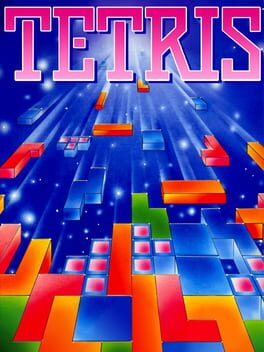
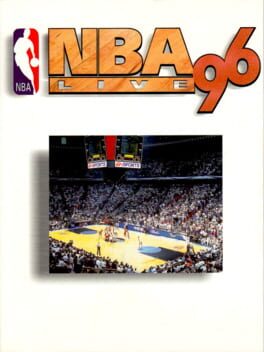
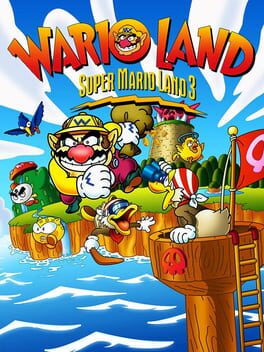
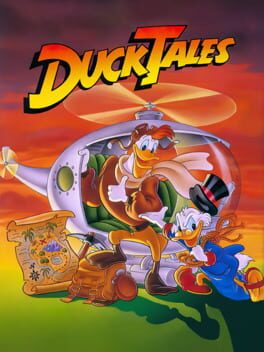
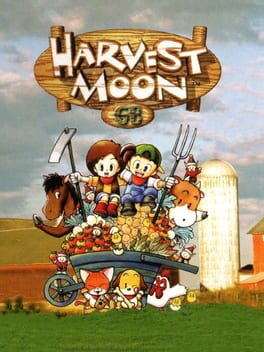
Most listed on eBay right now
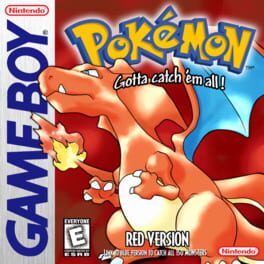
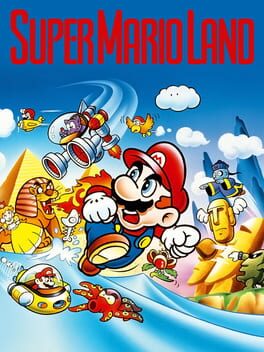
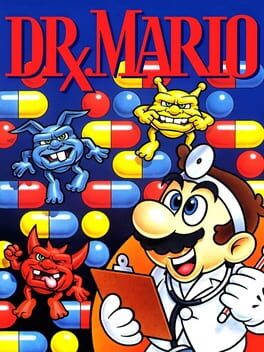
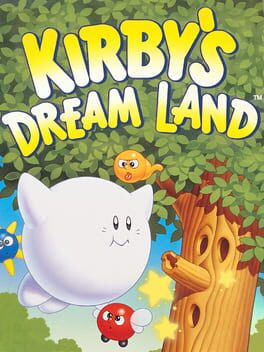
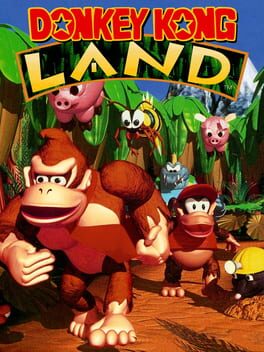
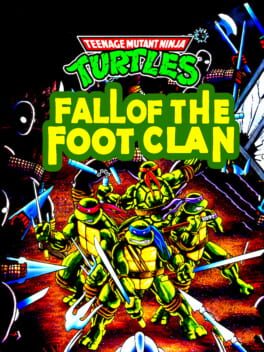
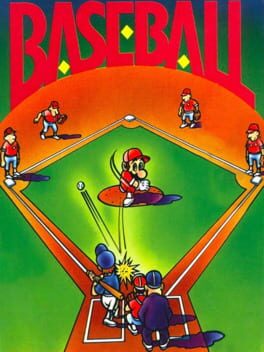
Nintendo Game Boy games by release year
By each game's original release year, so ports count under the year the game first came out.
Hardware specs
| CPU | Sharp LR35902 @ 4,19 MHz |
|---|---|
| Graphics | 160x144 pixels, 66 mm (2.6 in) diagonal screen with 2-bit (4 shades of "gray" {light to very dark olive green}) |
| Memory | 8 KB S-RAM |
| Sound | 2 pulse wave generators, 1 PCM 4-bit wave sample (64 4-bit samples played in 1×64 bank or 2×32 bank) channel, 1 noise generator, and one audio input from the cartridge |
| Media | Game Boy Cartridge |
| Storage | 8 MB |
| Connectivity | 2 Game Boys can be linked together via built-in serial ports, up to 4 with a DMG-07 4-player adapter. And 16 in maximum. |
Models & revisions
Game Boy Light
"The Game Boy Light is a backlit and updated version of the Game Boy Pocket exclusively released in Japan"
Has a larger battery compartment because it requires two AA batteries instead of AAA batteries.
Game Boy Pocket
A smaller, lighter unit that required fewer batteries.
The Game Boy Pocket has a smaller link port, which requires an adapter to link with the older Game Boy. Takes two AAA batteries.
- CPU
- Sharp LR35902 @ 4,19 MHz
- Graphics
- 160x144 pixels screen with 2-bit a black-and-white display screen
- Memory
- 8 KB S-RAM
- Sound
- 2 pulse wave generators, 1 PCM 4-bit wave sample (64 4-bit samples played in 1×64 bank or 2×32 bank) channel, 1 noise generator, and one audio input from the cartridge
- Media
- Game Boy Cartridge
- Storage
- 8 MB
- Resolutions
- a 65 mm (2.56 in) diagonal, 48.5 mm (1.91 in) width, and 43.5 mm (1.71 in) height screen
- Connectivity
- 2 Game Boys can be linked together via built-in serial ports, up to 4 with a DMG-07 4-player adapter. And 16 in maximum.
Console family
More Nintendo consoles








Game values from PriceCharting market data. Hardware specs and revisions from IGDB.